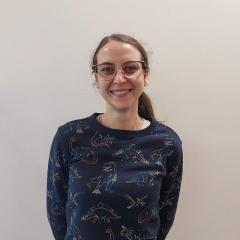
Dr Susan Sullivan

Banner Image

Research Interests

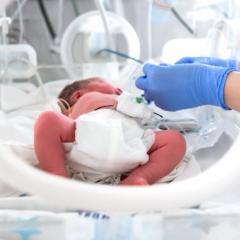
I am currently an NH&MRC Postdoctoral Research Fellow in Professor Paul Colditz's group at UQCCR. My current research examines astrocyte biology in hypoxic-ischemic (HI) brain injury. HI brain injury in the neonate remains a major clinical problem. Although hypothermia has been shown to reduce mortality and brain injury, more than 40% of hypothermia-treated infants still suffer poor neurological outcome. Thus, there is an urgent need to develop therapies to be used in conjunction with hypothermia. It is becoming increasingly evident that a combination of therapeutic strategies that target multiple mechanistic pathways may hold the key to providing the best possible outcomes for HI neonates. Astrocytes are the key supporting cells in the brain and their function is critical for normal brain activity. Any changes in the architecture of astrocytes or the proteins they express can influence the viability of neurons in the region, which may become vulnerable to death by over excitation or oedema. My research has identified abnormal changes in astrocytes in the HI brain that affect neuronal function and survival. My current and future research aims to prevent or reverse these abnormal changes to enhance neuroprotection and improve clinical outcomes following HI brain injury.

Research Projects

Examining the phosphorylation of GFAP in control and HI brains.

Glial fibrillary acidic protein (GFAP) can be phosphorylated at multiple sites.  Phosphorylation influences the equilibrium between the stable (polymerized) and unstable (depolymerised) state of the astrocytic intermediate filament protein. Western blotting and immunohistochemistry will be used to determine the levels of GFAP and phosphorylated GFAP in control and HI brains, to determine if HI injury causes destabilisation of GFAP.

Examining the expression of novel GFAP splice variants.

Multiple splice variants of GFAP have been described in rodents, pigs and humans. I have generated antibodies against the splice variants GFAPa, GFAPe and GFAPk so that expression of these novel proteins can be characterised in normal central nervous system tissues and also under disease conditions such as HI brain injury.

Key publications

Sullivan SM. 2011. Grey matter injury in the hypoxic-ischemic neonate. (Editors Costa A. and Villalba E.) Horizons in Neuroscience Research Vol 5. Chapter 3. Nova Science Publishers, Inc. In press.

Sullivan SM, Björkman ST, Miller SM, Colditz PB, Pow DV. 2010b. Morphological changes in white matter astrocytes in response to hypoxia/ischemia in the neonatal pig. Brain Research 1319C: 164-174.

Sullivan SM, Björkman ST, Miller SM, Colditz PB, Pow DV. 2010a. Structural remodeling of gray matter astrocytes in the neonatal pig brain after hypoxia/ischemia. Glia 58: 181-194.

Lingwood BE, Healy GN, Sullivan SM, Pow DV, Colditz PB. 2008. MAP2 provides reliable early assessment of neural injury in the newborn piglet model of birth asphyxia.  J. Neuro Sci Methods.  171: 140-6.

Sullivan SM, Macnab LT, Björkman ST, Colditz PB, Pow DV. 2007b. GLAST1b, the exon-9 skipping form of the glutamate-aspartate transporter EAAT1 is a sensitive marker of neuronal dysfunction in the hypoxic brain. Neuroscience. 149:434-45

Sullivan SM, Lee A, Björkman ST, Miller SM, Sullivan RK, Poronnik P, Colditz PB, Pow DV. 2007a. Cytoskeletal anchoring of GLAST determines susceptibility to brain damage: an identified role for GFAP. J Biol Chem. 282:29414-23.

Williams SM, Macnab LT, Pow DV. 2006 Cryptic expression of functional glutamate transporters in the developing rodent brain. Neuron Glia Biol. 2:199-215.

Contact details and email

Susan M. Sullivan (nee Williams)

NHMRC Postdoctoral Research Fellow

UQ Centre for Clinical Research (UQCCR) and Perinatal Research Centre

The University of Queensland

Building 71/918, Royal Brisbane & Women's Hospital

Herston, Brisbane, QLD, 4029

AUSTRALIA

Ph:   +61 7 334 66010

Fax: +61 7 334 65594

Email: susan.sullivan@uq.edu.au

Funding acknowledgement

UQ Postdoctoral Fellowship

NHMRC Postdoctoral Fellowship

Royal Brisbane and Women's Hospital Research Foundation Grant

UQ Early Career Researcher Grant

Technique Expertise

Immunohistochemistry and histology

Western Blotting

Iontophoretic cell injection

Tissue processing and sectioning

Light microscopy, confocal microscopy and imaging

DNA, RNA and protein extraction

RT-PCR, PCR and genotyping

Antibody production and characterisation

Animal-related procedures, animal handling.